
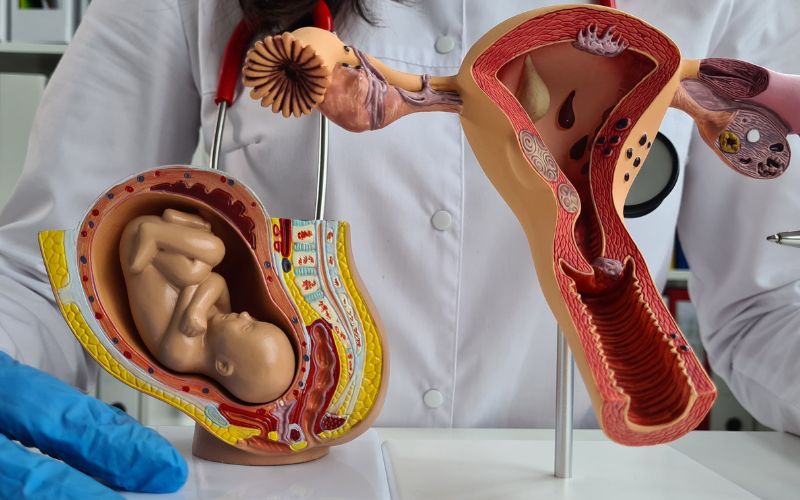
Ever wonder why some couples are not able to conceive despite being healthy? Many people think that the only time to consider fertility is when one desires to become a parent. But knowing about reproductive health in a much earlier stage can make a lot of difference. That is when the importance of fertility education comes in handy. It can assist women and men to understand how their age, lifestyle, health, and everyday activities impact their fertility. Gaining the right information can help people make decisions about their future family plans. An understanding of fertility isn’t just helpful when problems arise, but can also be beneficial for all individuals who want to maintain a healthy reproductive system.
Why Fertility Education Matters
There is very little information on fertility that is imparted to a lot of people during their school years. Consequently, they have a lot of misconceptions about reproduction. Some people think pregnancy is easy at any age, and some people do not realize that some health conditions may be a factor in fertility.
The people can be made to know how the reproductive system works through education. It also covers a discussion on how lifestyle factors like age, nutrition, exercise, smoking, drinking alcohol, and stress can affect fertility. By knowing about these factors, individuals can make informed decisions about their reproductive health by making healthier choices.
Fertility education is also a way of dispelling myths and misconceptions. Information that is accurate enables people to make decisions on a factual basis and not assumptions.
Understanding Fertility in Women
Girls have a certain number of eggs. As they get older, their egg count and quality both decrease. Women may not realize their age impacts their fertility until they attempt to conceive.
Women who know more about their body’s reproductive health, ovulation, and menstrual cycles will know more about themselves. Education also promotes frequent health checks, which may result in the discovery of conditions like polycystic ovary syndrome, endometriosis, or hormonal imbalance.
Learning about fertility doesn’t have to lead to fear. Rather, it is designed to empower women to plan their future and make informed decisions on family building.
Understanding Fertility in Men
Contrary to popular belief, fertility issues don’t just affect women. In fact, male fertility is as crucial as the female.
Medical conditions, lifestyle, and environmental factors can affect the quality of the sperm. Excessive alcohol consumption, smoking, poor diet, and lack of exercise can impact sperm health.
Men are more aware of the importance of healthy habits when they learn about fertility. Education makes them cognizant that they have a role to play in their reproductive health.
The Role of Fertility Awareness
Especially, knowledge is not enough. Individuals should also be familiar with how their daily decisions impact their reproductive health.
Awareness promotes people to focus on symptoms, lifestyle choices, and health factors that can impact fertility. It also enables couples to know the significance of timing in conceiving.
A growing fertility awareness leads to earlier medical consultation when there are concerns. The sooner action is taken, the more the chances of good results and treatment options are improved.
How Lifestyle Choices Affect Fertility
Everyday activities can affect reproduction. Good nutrition helps to maintain a balance of hormones and well-being. Exercise helps to keep people healthy and maintain a healthy weight.
However, smoking and heavy drinking can have a negative impact on female and male fertility. Stress can also have a negative impact on reproductive health.
Education aids people in appreciating these relationships. Provides them with knowledge to make decisions to support their long-term fertility objectives.
When Professional Guidance Becomes Important
Some circumstances may warrant professional assistance. People with irregular periods, any health problems, or concerns about their fertility should consider seeking advice.
A competent fertility specialist can consider the unique situation of the individual and offer advice and information based on medical evidence. Consultations in the early stages can help to identify problems before they get out of hand.
Many people find that advice from a fertility expert helps them understand their reproductive health and options.
Fertility Education and Modern Family Planning
For many people today, there are reasons for postponing parenthood – educational, career, or personal. Though these options are reasonable, it’s still important to know what the fertility timelines are.
Contemporary family planning is about managing reproductive health realities and personal goals. Education gives people the confidence to make decisions.
It is important to have accurate information, as decisions based on accurate information can lead to better reproductive outcomes, and this is stressed by healthcare providers and organizations like PHS Fertility Clinic.
Benefits for Couples
If both partners are educated on fertility, they can collaborate more effectively. Knowledge is shared to minimize misunderstandings, and teamwork is promoted during family planning.
Few couples are able to communicate effectively about goals and concerns if they don’t understand reproductive health. They also know that problems with fertility can occur in both partners and that they should work together on solving these issues.
This common knowledge will lead to a more supportive atmosphere and increased confidence for couples when making decisions about their fertility.
FAQs
Why is it important to educate women and men?
Fertility education enables both men and women to grasp how their age, lifestyle, and health conditions may impact their fertility. It delivers reliable information that enables informed choices on reproductive health and family planning.
3. At what age should a person begin to know about fertility?
People need to learn about fertility in their teenage years or early adulthood. Early education brings understanding of one’s reproductive health and the ability to make decisions that could aid procreation in the future.
3. Is it possible to enhance fertility by lifestyle changes?
Yes. These healthy practices – quitting smoking and excessive drinking, eating a balanced diet, exercising regularly, maintaining a healthy weight, and managing stress – all have a positive impact on reproductive health and fertility in both men and women.
Conclusion
Fertility education is more about than just planning for pregnancy. It enables women and men to understand their reproductive health, to make informed lifestyle decisions, and to plan for the future with confidence. Good fertility awareness helps to facilitate good decision-making and to act early if there are concerns. Gaining more knowledge about the fertility journey gives people more ability to control their own. Many people seek the help and reliability of PHS Fertility Clinic to obtain the best advice and assistance.
Our Direction: https://share.google/QQJCXaDqGlmSdf8fV