
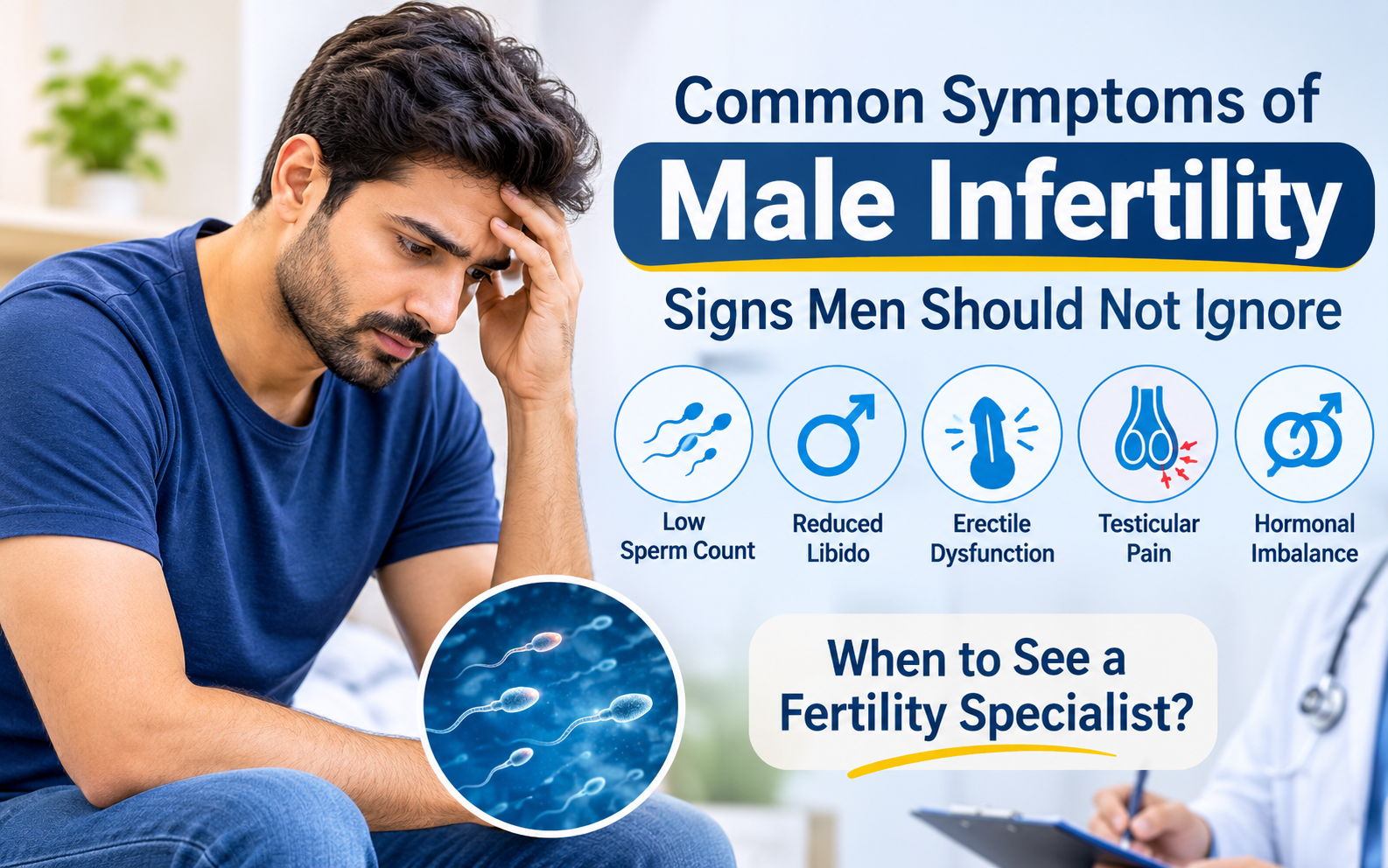
Male fertility is an important part of a couple’s journey towards parenthood. However, many men are unaware that certain medical conditions, hormonal imbalances, or reproductive health issues can affect their ability to conceive. While male infertility often develops without noticeable symptoms, some physical and sexual health changes may indicate an underlying fertility problem.
Understanding the common symptoms of male fertility problems can help men seek timely medical evaluation and improve their chances of receiving appropriate treatment.
At PHS Fertility Clinic, fertility specialists encourage couples to undergo fertility evaluations together, as infertility may involve male factors, female factors, or a combination of both.
What Are the Common Symptoms of Male Infertility?
Male infertility may not always cause visible symptoms. In many cases, the inability to achieve pregnancy after regular, unprotected intercourse is the first indication of a fertility problem.
However, some men may experience the following symptoms:
1. Difficulty Achieving Pregnancy
The most common sign of male infertility is difficulty conceiving with a partner despite regular, unprotected intercourse for 12 months or longer.
This may be associated with:
- Low sperm count
- Poor sperm motility (movement)
- Abnormal sperm morphology (shape)
- Problems with sperm production
- Blockages in the reproductive tract
A semen analysis can help evaluate sperm count, movement, and morphology to identify potential male fertility issues.
2. Low Sex Drive or Reduced Libido
A noticeable decrease in sexual desire may sometimes be related to hormonal imbalances, particularly low testosterone levels.
Testosterone plays an important role in male sexual health and reproductive function. Men experiencing persistent low libido, fatigue, or reduced sexual interest may benefit from a medical assessment.
3. Erectile Dysfunction
Difficulty achieving or maintaining an erection can affect a couple’s ability to have regular intercourse and conceive naturally.
Erectile dysfunction may be associated with diabetes, hormonal problems, cardiovascular conditions, stress, certain medications, or other health issues.
Although erectile dysfunction does not necessarily mean a man is infertile, it may require medical evaluation, especially when couples are trying to conceive.
4. Problems with Ejaculation
Changes in ejaculation may sometimes indicate an underlying reproductive health problem.
Symptoms may include:
- Very low semen volume
- Difficulty ejaculating
- Pain during ejaculation
- Blood in semen
- Dry orgasm or little to no semen release
Certain conditions, including ejaculatory duct obstruction, hormonal abnormalities, infections, and retrograde ejaculation, may affect sperm delivery.
5. Testicular Pain, Swelling or a Lump
Pain, swelling, heaviness, or a lump in the testicles should not be ignored.
Some conditions that may affect male fertility include:
- Varicocele, which involves enlarged veins around the testicles
- Testicular infections or inflammation
- Previous testicular injuries
- Undescended testicles
- Testicular abnormalities
A varicocele may affect sperm production or quality in some men. A physical examination and, when necessary, ultrasound evaluation can help identify the cause.
Sudden severe testicular pain requires urgent medical attention.
6. Changes in Facial or Body Hair
Reduced facial hair, changes in body hair growth, or decreased muscle mass may sometimes be associated with hormonal abnormalities.
These changes may occur in men with low testosterone or certain endocrine conditions that affect reproductive health.
If these symptoms occur alongside low libido, erectile difficulties, or fertility concerns, a hormone evaluation may be recommended.
7. Enlarged Breast Tissue
Abnormal breast tissue enlargement in men, known as gynecomastia, may sometimes be associated with hormonal imbalances.
Changes in the balance between testosterone and estrogen may affect sexual and reproductive health. However, gynecomastia does not automatically indicate infertility and may have several other causes.
8. Recurrent Genital Infections
Repeated infections involving the reproductive or urinary tract may sometimes affect sperm production, sperm quality, or the passage of sperm.
Symptoms such as burning during urination, genital discomfort, unusual discharge, or pain during ejaculation should be medically evaluated.
Early diagnosis and treatment of infections may help prevent potential complications.
Can Male Infertility Occur Without Any Symptoms?
Yes. Male infertility can occur without any noticeable physical or sexual symptoms.
Many men have normal sexual function, erections, ejaculation, and appearance but may have low sperm count, poor sperm motility, or abnormal sperm morphology.
Therefore, symptoms alone cannot confirm or rule out male infertility. A semen analysis and appropriate clinical evaluation are important for understanding reproductive health.
What Causes Male Fertility Problems?
Male infertility can develop due to several medical, hormonal, genetic, and lifestyle-related factors.
Common causes include:
- Low sperm production
- Hormonal imbalance
- Varicocele
- Reproductive tract obstruction
- Previous infections
- Undescended testicles
- Testicular injury or surgery
- Diabetes and other chronic medical conditions
- Smoking and excessive alcohol consumption
- Certain medications
- Exposure to excessive heat or environmental toxins
Identifying the underlying cause is an important step in determining the appropriate treatment.
How Is Male Infertility Diagnosed?
A male fertility evaluation generally involves a combination of medical history, physical examination, and diagnostic tests.
Semen Analysis
A semen analysis is one of the most important initial investigations for male infertility. It evaluates parameters such as:
- Sperm concentration and count
- Sperm motility
- Sperm morphology
- Semen volume
- Other semen characteristics
Hormonal Tests
Blood tests may be recommended to assess testosterone and other reproductive hormones, depending on the patient’s symptoms and clinical findings.
Physical Examination
A fertility specialist may evaluate the testicles, reproductive organs, and other physical signs associated with fertility or hormonal abnormalities.
Additional Investigations
Depending on the findings, a doctor may recommend ultrasound, genetic testing, or other investigations to identify specific causes of male infertility.
When Should Men Consult a Fertility Specialist?
Men should consider consulting a fertility specialist if:
- The couple has been trying to conceive for 12 months without success.
- The female partner is 35 years or older and the couple has been trying for six months.
- There is a history of testicular injury, surgery, infection, or undescended testicles.
- The man experiences persistent erectile or ejaculation problems.
- There is testicular pain, swelling, or a lump.
- There is a history of chemotherapy, radiation, or hormonal treatment.
- The man has concerns about sperm count or reproductive health.
An early fertility assessment may help identify treatable conditions and prevent unnecessary delays in treatment.
Male Fertility Evaluation at PHS Fertility Clinic
At PHS Fertility Clinic, fertility evaluation focuses on understanding the reproductive health of both partners and identifying potential reasons for difficulty conceiving.
Dr. Prajnanika Gurung, Managing Director and Founder, is an MBBS Gold Medalist with an MD in Obstetrics and Gynaecology from AIIMS New Delhi.
Dr. Monalisa Singh, Clinical Director and Chief Consultant in Reproductive Medicine, oversees fertility care and reproductive medicine procedures at the Patna branch.
The fertility team supports couples through diagnostic evaluation, personalised treatment planning, and assisted reproductive techniques when medically appropriate.
If you are experiencing symptoms of male fertility problems or have concerns about your reproductive health, a timely consultation can help you understand the available options.
Frequently Asked Questions (FAQs)
What is the first sign of male infertility?
The most common first sign is difficulty achieving pregnancy after regular, unprotected intercourse for one year. Most men with infertility do not experience noticeable symptoms.
Can a man be infertile if he has normal erections?
Yes. Normal erections and sexual performance do not guarantee normal sperm production, sperm count, or sperm quality.
Does low sperm count cause any symptoms?
Low sperm count often has no noticeable symptoms. It is usually identified through a semen analysis.
Can testicular pain indicate infertility?
Testicular pain does not always indicate infertility. However, pain, swelling, heaviness, or lumps may be associated with conditions such as varicocele, infection, or injury that require medical evaluation.
Is male infertility treatable?
Many causes of male infertility can be managed or treated. Depending on the diagnosis, treatment may involve medications, lifestyle modifications, hormonal treatment, surgery, or assisted reproductive techniques such as IVF and ICSI.
When should a man undergo a fertility test?
A fertility evaluation is generally recommended when a couple has been unable to conceive after 12 months of regular, unprotected intercourse, or earlier when there are known risk factors or when the female partner is 35 years or older.
Take the First Step Towards Parenthood
Male fertility is just as important as female fertility when planning a pregnancy. Recognising possible symptoms, undergoing timely investigations, and consulting an experienced fertility specialist can help couples understand their reproductive health and make informed decisions.
Book your consultation at PHS Fertility Clinic to discuss fertility concerns, understand the diagnostic process, and explore treatment options with an experienced fertility team.
Our Direction: https://share.google/knecfUhZwe5kshcAV