
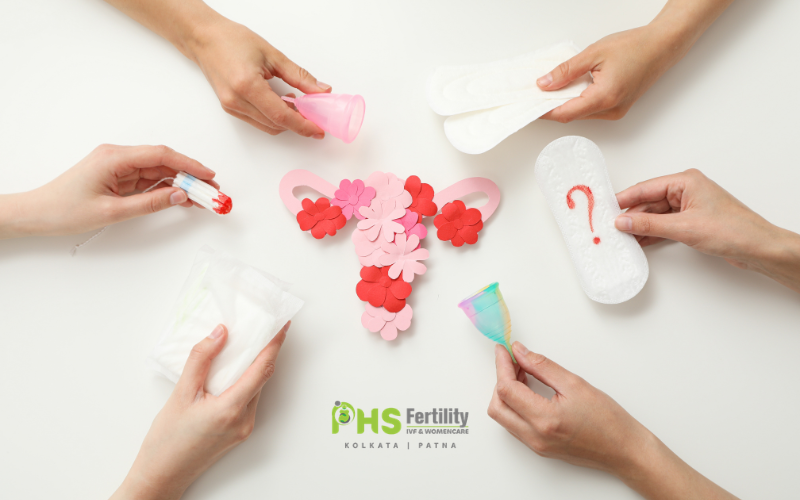
Fertility awareness education helps people understand their reproductive health, identify possible concerns early, and make informed decisions about family planning. It is useful not only for people trying to conceive but also for anyone who wants to understand how fertility changes with age, health, and lifestyle.
What Does Fertility Awareness Education Mean?
Fertility awareness education refers to gaining knowledge of reproductive health, including various influences on the chances of conceiving. This includes the study of the menstrual cycle, ovulation, reproductive age, fertility hazards, and the necessity of medical consultation.
However, fertility is not solely a woman’s issue. Men and women have their own factors that influence conception. Hence, fertility awareness should cover both male and female reproductive health.
Why Is Fertility Awareness Important?
Many people begin learning about fertility only after they experience difficulty conceiving. As a result, they may not know when to seek help or what factors could be affecting their reproductive health.
Good fertility awareness education can help people:
- Understand their menstrual cycle and ovulation
- Recognise changes in menstrual patterns
- Learn about age-related fertility changes
- Understand common fertility risk factors
- Make informed family planning decisions
- Know when to consult a fertility specialist
Early awareness can also reduce confusion and help people make timely healthcare decisions.
When Should You Start Thinking About Fertility?
There is no particular age at which all individuals need to initiate fertility planning. Yet fertility does vary with age for both women and men.
Women are born with a fixed number of eggs. The quantity and quality of eggs can both deteriorate with time. Other factors that can influence female fertility include PCOS, endometriosis, fibroids, thyroid disorders, infections, and past history of reproductive health problems.
Males too can suffer from fertility issues. Male fertility can be influenced by the man’s age, various diseases, his lifestyle, medication, and environment.
It is thus useful to know one’s own reproductive health even before attempting conception.
What Can Affect Fertility?
Several factors may influence fertility. Some are temporary or manageable, while others may require medical treatment.
Common factors include:
- Age
- Irregular or absent periods
- PCOS and other hormonal conditions
- Endometriosis
- Problems with ovulation
- Reduced ovarian reserve
- Blocked fallopian tubes
- Poor sperm quality
- Certain infections
- Smoking and excessive alcohol use
- Being significantly underweight or overweight
- Some medications and medical conditions
Importantly, having one of these factors does not automatically mean someone cannot have a child. A proper evaluation can help identify the actual cause and available treatment options.
When Should You Consult a Fertility Specialist?
A fertility consultation may be useful when pregnancy does not occur despite regular unprotected intercourse. It can also be helpful earlier when there are known reproductive health concerns.
For example, people with highly irregular periods, previous pelvic infections, endometriosis, known sperm problems, or previous fertility treatment may benefit from an earlier assessment.
A fertility specialist can review medical history, perform appropriate tests, and explain possible next steps.
For people looking for infertility doctors Kolkata has fertility specialists who can assess both partners and recommend treatment based on individual needs.
What Happens During a Fertility Evaluation?
Fertility assessment normally involves obtaining a thorough medical and reproductive history. It is common practice for the physician to inquire about menstrual patterns, past pregnancies, existing diseases, drugs being taken, surgical procedures undertaken, and other health factors.
If needed, more tests can be suggested by the doctor. These include blood tests, ultrasound examinations, ovarian function tests, sperm analysis, and tests for the uterus and fallopian tubes.
Not everyone needs every test. The evaluation should be based on the person’s history and clinical needs.
How Can People Protect Their Reproductive Health?
There is no way to prevent every fertility problem. Still, people can take steps to support their general reproductive health. Maintaining a healthy weight, avoiding tobacco, limiting alcohol, managing existing health conditions, and seeking medical advice for persistent menstrual changes can be helpful.
It is also important not to rely on fertility myths found online. Fertility advice should come from qualified infertility doctors Kolkata and reliable medical sources.
Fertility Awareness Is About More Than Pregnancy
Fertility awareness is often associated with conception. However, it is broader than that.
Understanding fertility can help people recognise changes in their reproductive health and seek care when something does not seem normal. It can also help couples discuss family planning and understand their options before they face difficulties.
At PHS Fertility Clinic (Kol), fertility concerns can be discussed with qualified fertility professionals based on individual reproductive health needs.
FAQs
What is fertility awareness education?
Fertility awareness education helps people understand reproductive health, ovulation, fertility factors, and when medical advice may be needed.
When should someone see a fertility specialist?
A specialist may be helpful after difficulty conceiving or earlier when there are known fertility concerns, irregular periods, or other reproductive health problems.
Can fertility problems affect both partners?
Yes. Fertility difficulties can involve male factors, female factors, both partners, or sometimes remain unexplained after testing.
Get our direction: https://maps.app.goo.gl/w1ynvXbftVDGK49BA